Wine Tasting in Melbourne: What You Can Actually Drink Inside the CBD
Melbourne has one urban winery, one walk-in city cellar door, a short list of masterclasses and several hundred wine bars. Here is what each one costs, and what none of them can give you.
Short answer
You can taste properly without leaving central Melbourne. Melbourne Winery at 247 Flinders Lane pours curated flights from about A$15 and runs two-hour Sunday cellar door sessions at A$65 to A$69, Handpicked Wines takes walk-ins near 80 Collins, and CBD masterclasses start around A$75. The vineyards are still an hour away.
Number 247 Flinders Lane is a heritage building with a working winery inside it. That is the whole list of urban wineries in central Melbourne right now, because the other one shut its doors in June 2026. It is a smaller list than the city's reputation suggests, and knowing that before you plan an evening saves you from chasing a venue that no longer exists.
What Melbourne does have, in quantity, is bars with serious wine lists, a few sommelier-led classrooms, and one cellar door you can walk into between meetings. We checked what each one pours, what it charges and what it leaves out.
Can you do proper wine tasting in Melbourne without leaving the city?
Yes, and the list is short enough to memorise. Melbourne Winery at 247 Flinders Lane pours curated flights from about A$15 and runs two-hour Sunday cellar door sessions at A$65 to A$69. Handpicked Wines keeps a walk-in urban cellar door near the 80 Collins precinct. Masterclasses start around A$75. The vines stay an hour out of town.
Victoria counts more than 800 wineries and over 600 cellar doors, a figure Visit Victoria publishes on its own wineries pages. None of those cellar doors sit inside the CBD grid, for the obvious reason that grapes do not grow on Collins Street. What grew instead is a bar culture: small rooms, long lists, staff who will pour you something obscure by the glass and talk about it.
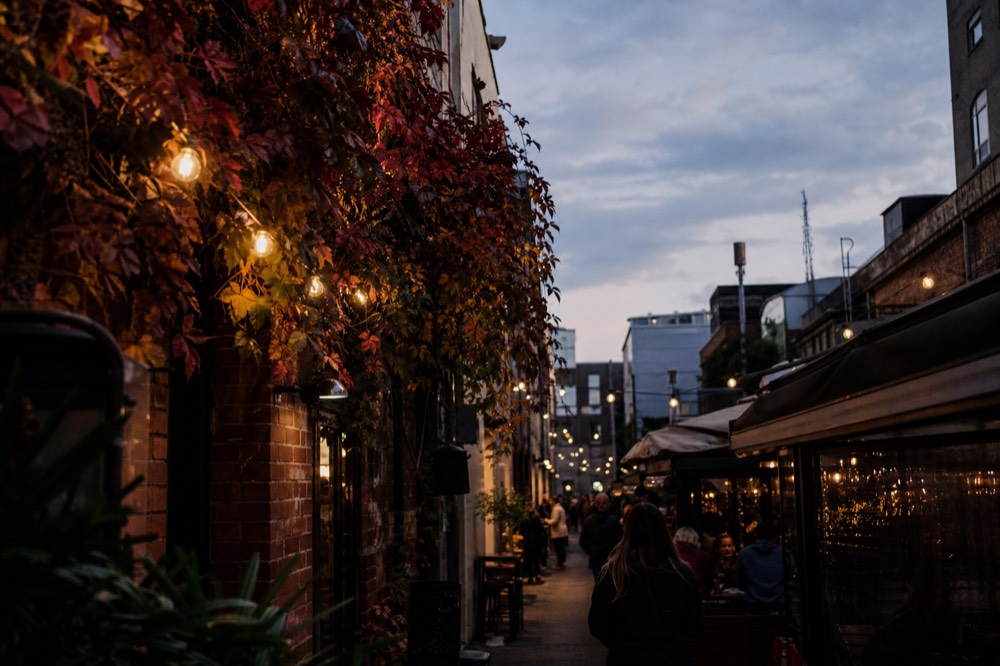
People ask this question for practical reasons, not romantic ones. You land at 4pm and have one evening. It is raining sideways, which in Melbourne it often is. You have a conference until 5. You are travelling with someone who does not want a bus. Or, most commonly, nobody in the group wants to be the driver.
That last reason is worth taking seriously, because Victoria's rules are not soft. The full-licence limit is 0.05 BAC and it drops to zero for learner and probationary drivers, as Victoria's transport department sets out. A first offence typically brings licence cancellation for at least three months, an alcohol interlock for six months or more, a multi-year zero-BAC period afterwards and a fine. Cellar-door staff also work under responsible-service rules that oblige them to refuse anyone intoxicated, and to check photo ID for anyone who looks under 25. Tasting in the city sidesteps all of it, because you walk to the tram.
Here is the entire practical menu, priced.
| Where | Format | From (A$) | How to get in |
|---|---|---|---|
| Melbourne Winery, 247 Flinders Lane | Curated flights, daily from around midday | 15 | Walk in or book ahead |
| Melbourne Winery, Sunday "cellar door" session | Two hours, unlimited wine plus food | 65 to 69 | Book a time slot |
| Melbourne Winery, late Saturday sessions | Evening event format | around 89 in 2026 promotions | Book |
| Handpicked Wines urban cellar door, 80 Collins precinct | Walk-in tasting of one producer's vineyard wines | fee varies by flight | Walk in |
| V Wine Salon, 673 Bourke Street | 90-minute private wine and chocolate masterclass, eight wines | 75 | Book |
| Melbourne Wine School, Richmond | Masterclasses, community nights, multi-week programs | varies by session | Book |
| Public "Introduction into Wine" sessions, CBD venues | About two hours, eight wines | typically from 75 | Book |
Two things stand out. The cheapest real tasting in town costs less than two coffees and a sandwich. And the ceiling is low: nothing in the city runs past about A$90 a head, because nobody is charging you for a view of the vines.
Where is Melbourne's only urban winery, and what does a flight cost?
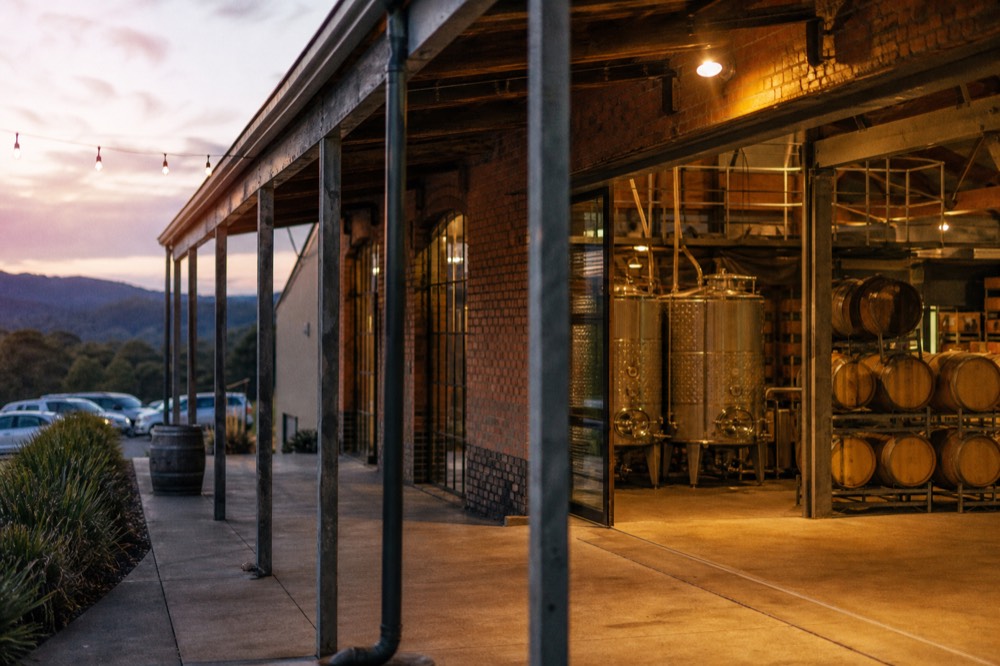
Melbourne Winery occupies a heritage building at 247 Flinders Lane and bills itself as the city's first urban winery. Tastings and flights run daily from around midday, with curated flights starting near A$15 a person. The Sunday cellar door sessions are the flagship: two hours of unlimited wine plus food, A$65 to A$69, with upgrades on top.
An urban winery makes wine in the city from fruit trucked in from growing regions. The tanks and barrels are in the room with you, which is a genuinely different experience from a bar, and a genuinely different experience from a vineyard. You get the smell of a working cellar without the drive.
The pricing ladder is unusually flat. A curated flight from around A$15 is an entry point almost nowhere else in the city matches for actual tasting rather than a glass off a list. Older 2025 posts referenced roughly A$39 for a one-hour session, so the format has shifted more than once and the venue's own booking page is the number to trust on the day. The Sunday sessions at A$65 to A$69 run in staggered two-hour blocks, so a 12pm to 2pm slot and a 1pm to 3pm slot can both be selling at the same time. Late Saturday sessions have appeared in 2026 promotions around A$89.
Do the arithmetic on the Sunday session and it stops looking expensive. Two hours of unlimited pours plus food, at A$65, is roughly what a decent CBD lunch with two glasses costs anyway. The catch is that unlimited pouring plus a two-hour clock is a format that rewards people who pace themselves and punishes people who do not. Staff still work under responsible-service obligations, and refusal is mandatory where someone is intoxicated. That is not a threat, it is just how the room runs.
What the urban winery cannot do is show you where the fruit came from. That gap matters more than most city guides admit.
| What you are paying for | Melbourne Winery, CBD | A Yarra Valley cellar door |
|---|---|---|
| Vineyard in view | No, heritage building interior | Yes, usually from the tasting bench |
| Winemaking on site | Yes, tanks and barrels in the room | Yes, plus the vines that fed them |
| Typical tasting fee | Flights from about A$15 | A$15 to A$35 at Yering Station by tier |
| Fee waived if you buy | Not a stated policy | Common, and stated at Yering Station |
| Travel time from the CBD | Walk or one tram stop | About an hour each way to Healesville |
| Someone has to drive | No | Yes, unless you book a tour |
| Food alongside | Included in the Sunday session | Varies, from cheese plates to full restaurants |
What does a CBD cellar door give you that a wine bar does not?
A cellar door pours one producer's range, in order, from the people who represent that producer. A wine bar pours a curated list from many producers, by the glass, chosen by a buyer. Handpicked Wines runs the walk-in cellar door format near the 80 Collins precinct, and it is the closest the CBD gets to a vertical tasting.
The distinction sounds academic until you have done both in one week. At a cellar door you taste a house style: the same hands, the same philosophy, moving through entry-level to reserve, so the differences you notice are about site and vintage rather than about which importer the bar likes this month. At a bar you taste breadth, which is more fun and teaches you less.
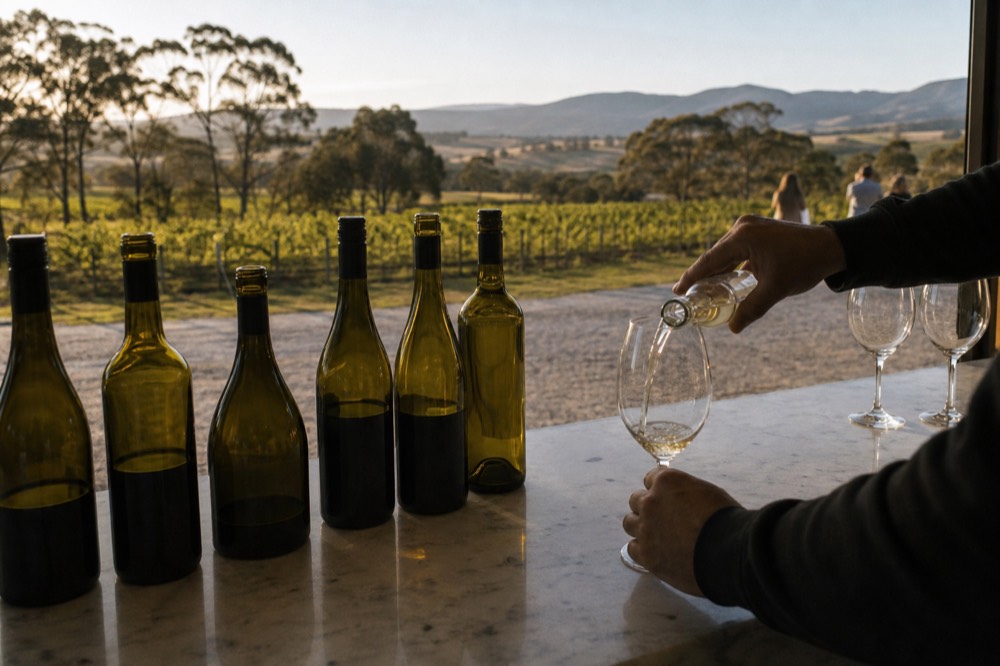
Handpicked's city room exists because the producer wanted a shopfront in town for wines grown elsewhere. Walk-ins are the point. You do not need a booking, you do not need a plan, and you can be in and out in forty minutes. For a traveller with a gap between a meeting and a dinner reservation, that is the single most useful wine thing in the CBD.
Where the format falls down is depth of choice. One producer means one house style, and if that style is not for you, the tasting is over. A bar list solves that and creates a different problem: you are paying by the glass, so three comparative pours of Yarra pinot can cost more than a full cellar-door flight would.
| Format | What gets poured | Typical spend for three to four wines | Best for |
|---|---|---|---|
| Urban winery flight | A curated set from the house | From about A$15 | Cheapest real tasting in town |
| CBD cellar door walk-in | One producer's range, in order | Fee varies, sometimes redeemable | Understanding a single house style |
| Wine bar, by the glass | A buyer's list across producers | Usually the highest per wine | Breadth, and dinner afterwards |
| Masterclass | A themed set with teaching | About A$75 for eight wines | Learning why, not just what |
| Valley cellar door | One estate's range, at the estate | A$15 to A$35, often waived on purchase | The full thing, if you can get there |
Plenty of people taste in the city on arrival day and then want the real version the next afternoon. That is the natural sequence, and it is why the half-day afternoon run out of Federation Square is the most-booked short option we track.
If the goal is to stand among vines rather than under a heritage ceiling, and the budget is tight, the self-paced loop bus is the cheapest way to do it: you ride out, hop off where you like and pay tastings at each door, and you can see today's departure times and price before deciding.
Which Melbourne wine bars are worth building a tasting night around?
Broadsheet's "Melbourne's 10 Best New Bars of 2026 (So Far)", published in July 2026, put Bar Ferdinand and Bar Kaeru in the CBD spotlight. The Age Good Food Guide 2026 top-bars list includes Apollo Inn and Bar Conexao. The Florence on Flinders Lane opened as an Italian and Tuscan wine bar serving pasta and negronis late.
Melbourne's bar scene turns over fast enough that any printed list is a snapshot, so the honest approach is to name the sources rather than pretend to a permanent ranking. Two 2026 critic lists carry weight locally: Broadsheet's new-bars round-up from July 2026, and The Age's Good Food Guide 2026 bar selections.
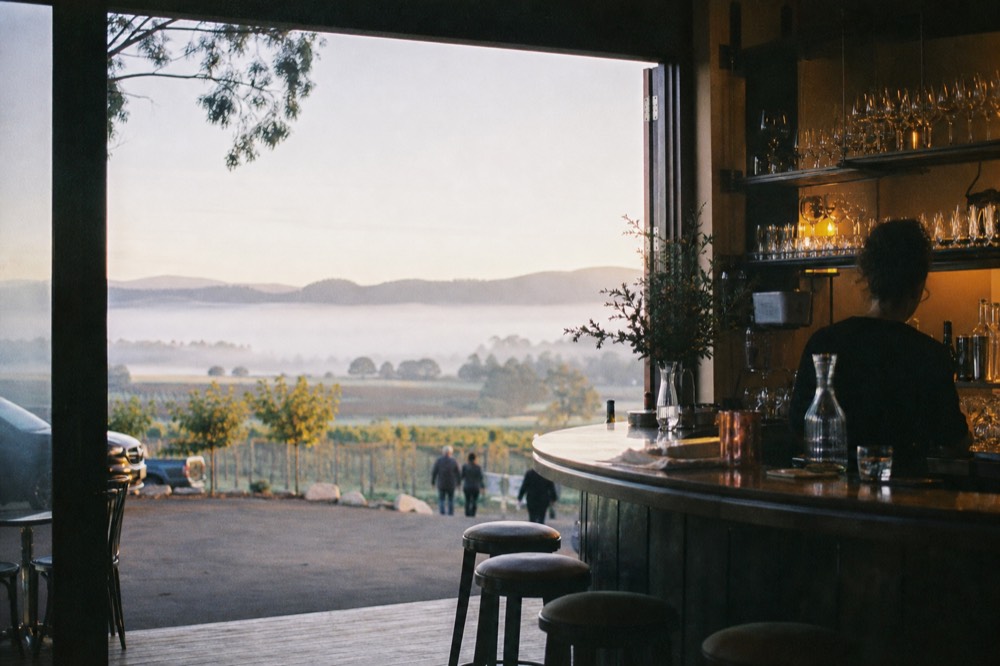
One caution before you build an evening around these names. Not every celebrated new bar is wine-led. Bar Ferdinand's coverage leans on an opulent room, flora-inspired cocktails and pretzels, which is a great night out and not a tasting. If wine is the actual objective, the safer bets are the venues whose coverage puts the list first, like The Florence with its Italian and Tuscan bottles above the Meatball & Wine Bar on Flinders Lane.
| Venue | Area | Where it appears | What the 2026 coverage emphasises |
|---|---|---|---|
| Bar Ferdinand | CBD | Broadsheet's 10 best new bars of 2026 so far, July 2026 | Opulent room, flora-inspired cocktails, pretzels |
| Bar Kaeru | CBD | Same July 2026 list | Listed as a CBD opening, style not detailed in the coverage |
| The Florence | Flinders Lane | 2026 new-bar coverage | Italian and Tuscan wine list, negronis, pasta until late |
| Apollo Inn | Melbourne | The Age Good Food Guide 2026 top 20 bars | Long-standing critical favourite |
| Bar Conexao | Melbourne | The Age Good Food Guide 2026 top 20 bars | Listed among the city's top bars for 2026 |
We looked for evidence of a wave of CBD wine-bar closures in 2026 and did not find one. Victorian hospitality has had a hard run, and a string of restaurant closures was reported across the state, but no pattern of wine bars specifically going dark in the city grid showed up in the coverage. Melbourne's wine drinking is fine. It is the urban wineries that thinned out.
A tasting night built on bars works differently from a tasting session, and it helps to plan it that way. Pick three venues within a ten-minute walk of each other, which in the CBD grid is easy, and give each one two glasses rather than five. Ask the staff what is open by the glass that they are excited about, because in a city with this many small lists the interesting bottle is usually the one somebody opened that afternoon. Eat something at the second stop. The trap in Melbourne is not the quality of the wine, it is the ease of drinking six glasses across four rooms and remembering none of them.
Local wines are the thing to chase on a bar list, and not only out of regional loyalty. The Halliday Wine Companion 2026 awards named Mount Mary's 2023 Pinot Noir the Pinot of the Year at 98 points and gave Cabernet and Blends of the Year to Yarra Yering's Dry Red Wine No. 1 2023 at 99 points, both from the Yarra Valley an hour up the road. Those exact bottles are cult-priced and pour by appointment at best, and no bus goes to them. What a good CBD list will have is their neighbours: Oakridge, Medhurst and other names from the same soils, at a fraction of the money.
Is a wine masterclass in Melbourne worth A$75?
For eight wines with a teacher in the room, yes. V Wine Salon on Bourke Street runs a 90-minute private wine and chocolate masterclass at about A$75 a person for eight wines, which works out under A$10 a pour with instruction attached. Melbourne Wine School in Richmond runs masterclasses, community nights and multi-week programs.
Price per pour is the only sane way to judge these. Eight wines at A$75 is roughly A$9.40 each, and every one of those pours comes with someone explaining what you are meant to notice. Order the same eight wines by the glass across a night in the CBD and you would spend several times that, learn less, and probably not taste them side by side, which is the entire point.
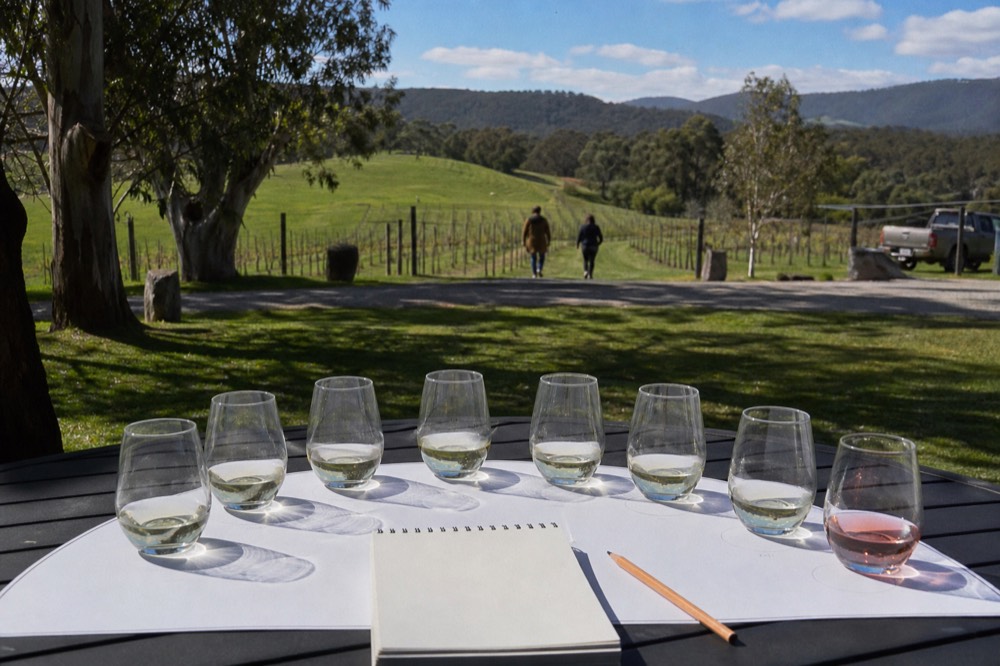
The wine-and-chocolate pairing format is a soft entry, and that is not a criticism. Pairing gives beginners a concrete thing to react to, which is easier than being asked to find blackcurrant on a bare palate. If you want the harder version, Melbourne Wine School's structured programs go well beyond a single evening, and its community nights sit somewhere in between. Public sessions on the general ticketing platforms, typically around two hours with eight wines from about A$75, fill the same gap with a different host each time.
What a masterclass cannot do is show you the difference between two vineyards a kilometre apart, poured by someone who farms both. That is a valley thing.
| Session | Duration | Wines poured | Price (A$) | Roughly per pour |
|---|---|---|---|---|
| V Wine Salon private wine and chocolate masterclass | 90 minutes | 8 | 75 | Under 10 |
| Public "Introduction into Wine" session | About 2 hours | 8 | From 75 | Under 10 |
| Melbourne Wine School masterclass or community night | Varies | Varies | Varies | Check the school's own calendar |
| Melbourne Winery Sunday cellar door session | 2 hours | Unlimited within the session | 65 to 69 | Falls with every glass |
Set that against a full day out of the city and the comparison flips. The social day that takes in eight stops including a gin distillery, a cider maker and a chocolaterie includes every tasting in the fare, so the per-pour figure collapses far below any classroom, and you can check what it costs on your dates if that maths appeals. Lunch is your own expense on that one, usually A$25 to A$35.
What happened to Noisy Ritual, and where do urban-winery fans go now?
Noisy Ritual in Brunswick East closed its venue on or around 13 June 2026, after roughly ten years, with a sale of remaining stock following. It was Melbourne's community-crush urban winery, and nothing has directly replaced it. The city's urban winery scene is now essentially one venue on Flinders Lane plus a walk-in cellar door.
This matters because Noisy Ritual is still listed as open on a lot of city guides, and travellers are turning up in Brunswick East to find it gone. If you read it somewhere and pencilled it in, cross it off.
What Noisy Ritual did was unusual: it ran community crushes, where members picked and processed fruit and shared in the result. That model is hard to replicate, and its closure came amid a broader string of restaurant and venue closures reported across Victoria in 2026. The reporting on those closures pointed at pressures that had not eased rather than at anything specific to wine.
The practical effect on your trip is small but real. Where you once had a choice of two urban wineries at opposite ends of the city, you now have one, and it sits in the CBD rather than in the northern suburbs. If the appeal was the inner-north, low-key, warehouse version of wine, the substitute is the bar scene rather than another crush pad.
There is a second-order effect too. With one urban winery left, the Sunday sessions on Flinders Lane concentrate demand that used to be split. Booking a specific time slot has become the difference between tasting and not, especially on weekends when the city is busy.
It also changes the calculation on getting out of town. When Melbourne had two urban wineries, a wine-focused weekend could plausibly stay inside the tram network: one crush pad on Saturday, another on Sunday, bars in between. That itinerary no longer assembles. If you want two distinct wine days in Melbourne now, the second one has to leave the city, and the cheapest version of leaving the city costs about the same as one Sunday session plus a couple of glasses.
Does the Melbourne Food & Wine Festival change when you should visit?
Possibly, but check the festival's own calendar before you build a trip around it. Visit Melbourne has listed 19 to 25 October 2026 for a week-long food and wine celebration, while the festival has traditionally run in March and the 2027 edition points at late March. The dates have moved, so treat any second-hand listing with care.
We looked at this closely because getting it wrong is expensive. As of mid-August 2026 the festival's own site was promoting event submissions for its 2027 edition without publishing 2026 dates on the homepage, while Visit Melbourne carried an October 2026 week. Both are real listings. They describe a program in flux.
The practical advice is unglamorous. If the festival is the reason for the trip, book flights only after the official calendar confirms dates. If it is a bonus, plan the trip you actually want and check the program a month out. Festival weeks bring one-off dinners, producer tastings and masterclasses into the city that do not run the rest of the year, so it is a genuine upgrade when it lands, and not a reason to move a holiday on a guess.
One more thing about timing that no festival calendar will tell you. Harvest in the Yarra Valley runs February to April, so a March festival visit historically overlapped with the busiest, most alive stretch in the vineyards. If your dates land in that window, the valley is where the energy is, and the case for getting out of the city grows. Our month-by-month look at seasons goes through what each part of the year actually does to a tasting day.
When does a city tasting beat a valley day, and when does it not?
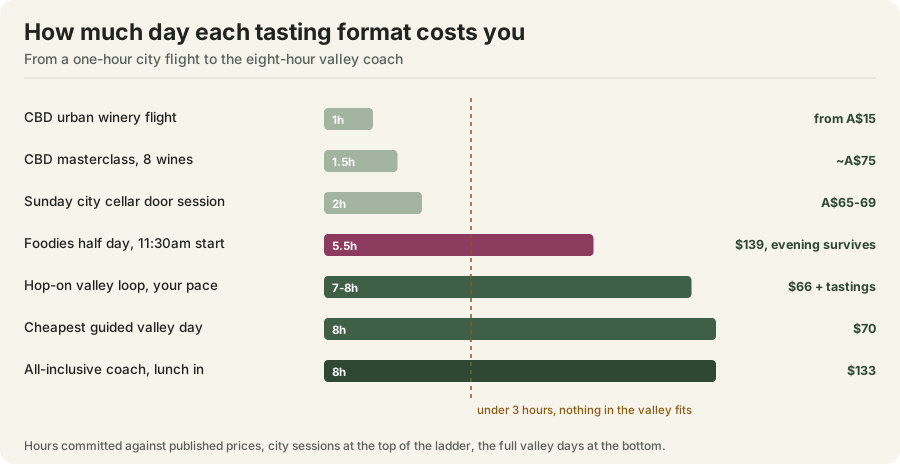
A city tasting wins when you have under three hours, when the weather has collapsed, when your group is split on whether they want wine at all, or when you are tasting on the same day you fly. A valley day wins on every other measure: the vineyards, the food, the range of producers and the per-pour cost when tastings are included.
We are not going to pretend the CBD competes on substance. It competes on friction. A flight on Flinders Lane costs A$15 and takes an hour of your life. A day in the Yarra Valley costs from US$66 for the loop bus, takes seven to eight hours, and is a completely different order of experience. Those two things are not really rivals.
Where the city genuinely wins is the arrival day. Long-haul travellers land in Melbourne wrecked and jet-lagged, and an eight-hour coach day on day one is a bad idea. A flight in a heritage room at 5pm, dinner nearby, sleep. Then go to the valley with a functioning palate.
The other real case is the split group. Not everyone travels with people who want six cellar doors. A CBD tasting is ninety minutes that a reluctant partner will tolerate, and it costs less than the taxi to the valley would.
| Your situation | The better call | Why |
|---|---|---|
| You land today and fly out in 36 hours | City flight or Sunday session | No transit, no early alarm, no wasted day |
| You have one full free day | Yarra Valley day tour | Tastings included, no driver, real cellar doors |
| Under three hours to spare | Melbourne Winery or a CBD cellar door | Nothing in the valley fits inside three hours |
| Torrential rain and wind | City tasting | Vineyard walks are the point outdoors, and they stop being fun |
| Half the group is not into wine | City tasting, then dinner | Short, cheap, easy to leave |
| You want to learn, not just drink | CBD masterclass, about A$75 for eight wines | Structured comparison with a teacher |
| Budget is the constraint | Loop bus at US$66, or a A$15 city flight | The two cheapest real options at either scale |
| You want the vineyards themselves | Full-day tour | No city venue can substitute for standing in the fruit |
Anyone weighing the cost side of that decision in more detail will find the numbers broken down in our breakdown of what a valley day costs, and the etiquette side, which trips up more visitors than the pricing does, is covered in our notes on tasting-room mistakes to avoid.
How do you upgrade from a CBD tasting to a half day or a full day?
The step up from a city flight is a half-day afternoon run, and the step up from that is a full day. The afternoon tour leaves Federation Square at 11:30am, caps at 11 guests and covers Chandon, Yarra Valley Dairy, Yering Station and a chocolaterie plus a kangaroo stop for US$139. Full days run eight hours from US$66.
Think of it as three rungs, each roughly doubling the time commitment. An hour in the city. Half a day out and back with the evening intact. A full day where you leave in the morning and get dropped back in time to shower before dinner.
The half day is the underrated rung, because it protects the evening. Melbourne is a dinner city, and an 11:30am departure gets you home with a booking still viable. It is also the only genuinely verified half-day format we found running to the Yarra Valley, which is why our short-on-time picker exists as its own page.
Full days split by what is bundled. The loop bus at US$66 is transport only, with tastings paid at each door at roughly A$10 to A$15 and frequently waived on purchase. The social eight-stop day at US$93 includes every tasting and leaves lunch to you. The all-inclusive coach at US$133 folds in tastings plus a winery lunch with wine. Which of those is cheapest depends entirely on how much you actually drink and eat, not on the sticker.
| Option | Hours | Departs | From | Tastings |
|---|---|---|---|---|
| Curated flight, Melbourne Winery | About 1 | Flinders Lane | A$15 | Pay per flight |
| Sunday cellar door session | 2 | Flinders Lane | A$65 to 69 | Unlimited within the session |
| CBD masterclass | 1.5 to 2 | Bourke Street or a booked venue | A$75 | Eight wines included |
| Loop bus, ridden as a short day | 7 to 8 full, hop off early | City or Lilydale | US$66 | Paid at each door, about A$10 to 15 |
| Half-day afternoon run | From 11:30am | Federation Square | US$139 | Four stops plus a kangaroo stop |
| Social full day, eight stops | 8 | CBD pickup | US$93 | All included, lunch your own |
| All-inclusive coach, four wineries | 8 | Multiple CBD pickups | US$133 | All included plus winery lunch with wine |
For a first-timer choosing between the half day and the full day, the honest test is what you want the day to feel like. Four unhurried stops with time to sit, or eight quick ones with a social bus. Both are real; they suit different people. When it is your only day and you want the afternoon light at the kangaroo stop, the 11:30am departure is the one, and you can check availability on your dates before you commit to a plan.
If you are still deciding which region deserves your day at all, our comparison of Victoria's wine regions lays out the Yarra, the Mornington Peninsula and the rest, and the full lineup of city-adjacent experiences sits on the wine experiences hub.
Frequently asked questions
Is Melbourne Winery open every day?
Tastings and flights are listed as running daily from around midday, with the special two-hour cellar door format on Sundays and evening sessions on some Saturdays. Session formats and prices have changed more than once since 2025, so check the venue's own booking page for the day you want rather than relying on a listing elsewhere.
Do I need to book a CBD wine tasting in advance?
Walk-ins work at the Handpicked cellar door and often at Melbourne Winery for a standard flight. Timed formats are different: the Sunday sessions run in staggered two-hour blocks and masterclasses cap at small numbers, so both need a booking. With only one urban winery left in the city, weekend slots concentrate demand that used to be split across two venues.
Should I tip at a Melbourne cellar door or wine bar?
No. Australia is a no-tip culture for cellar doors and tour guides. Tipping is not normal nor required, and nobody will expect it or think less of you. If the service was excellent, a positive review or a bottle bought on the way out lands better than cash.
Can under-18s come to a city tasting?
The legal drinking age in Victoria is 18 with no exceptions at licensed venues, and staff must check photo ID showing date of birth for anyone who looks under 25. Some venues admit minors accompanied by adults for the food side, but they cannot be served alcohol, and that is a venue-by-venue policy worth confirming before you arrive.
Is a city tasting a fair substitute for the Yarra Valley?
It is a fair substitute for a glass, not for a day. The city gives you good wine, cheaply, with no travel and no driver. It cannot give you the vineyard, the estate restaurants, the range across 90-plus cellar doors, or the fact that on a tour every tasting is often already paid for. If you have a full day, spend it out of town.
What is the cheapest way to taste wine in Melbourne?
Inside the city, a curated flight at Melbourne Winery from about A$15. Outside it, the self-paced loop bus into the Yarra Valley from US$66, where you pay roughly A$10 to A$15 at each cellar door and many waive the fee if you buy a bottle. Both cost less than most people assume, and neither requires anyone to drive.