Which Wine Is the Yarra Valley Known For?
Pinot noir, chardonnay and traditional-method sparkling, plus a cabernet twist nobody expects. What the Yarra Valley grows, and where you taste it on a day out.
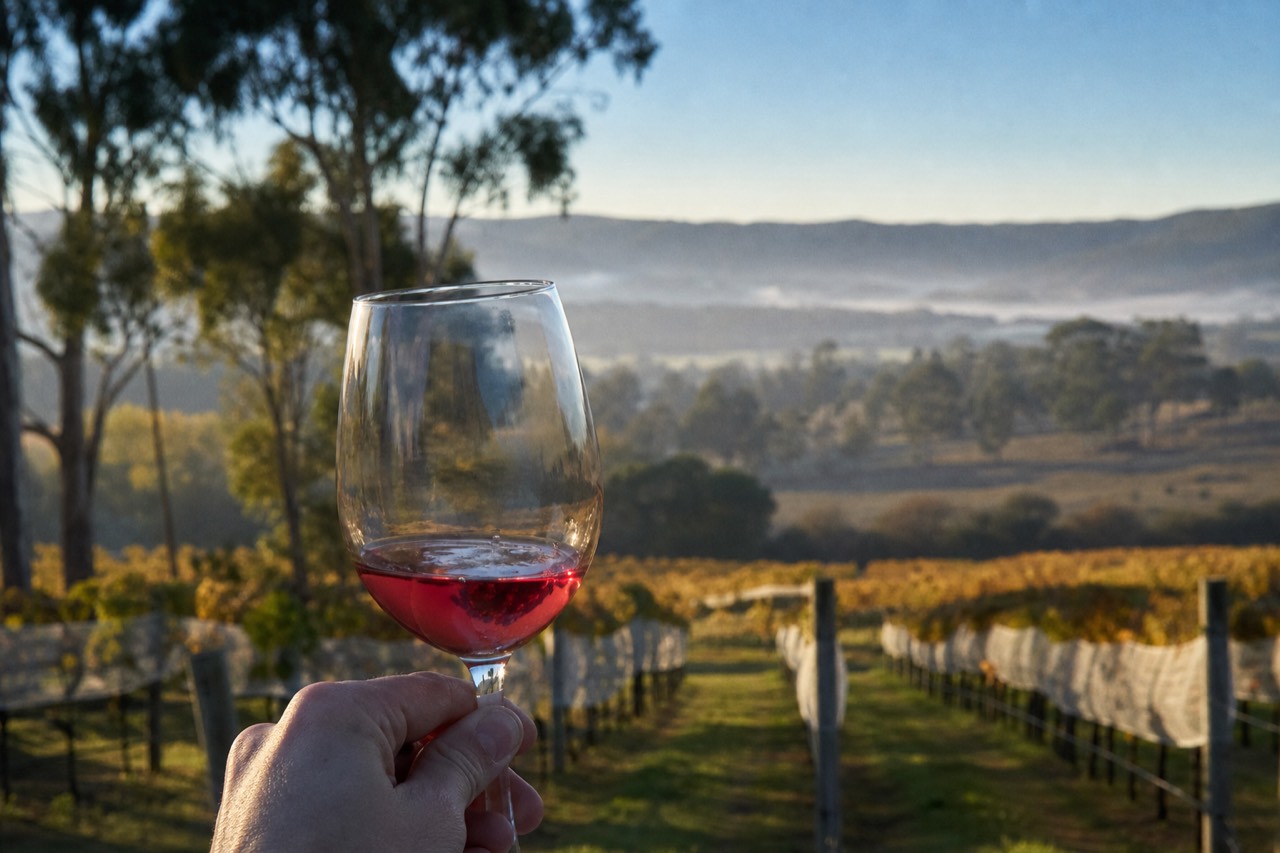
Two Yarra Valley wines collected national category trophies in the Halliday Wine Companion 2026. One was a pinot noir, which nobody found surprising. The other was a cabernet blend that scored 99 points, one point higher, from a vineyard planted long before the region became fashionable. That pairing is the honest picture of the valley: a cool-climate pinot and chardonnay region with a stubborn old-school red streak at its warmer western end.
Most visitors arrive expecting pinot and leave having bought something else. Here is what the region actually grows, why the climate produces the styles it does, and where on a day out of Melbourne you can put each one in a glass.
What is the Yarra Valley best known for?
Pinot noir first, chardonnay a very close second, and traditional-method sparkling third. These three account for the region's reputation and most of its plantings. Cabernet sauvignon and Bordeaux blends form a smaller but historically important fourth category, concentrated in the older, slightly warmer vineyards toward the valley's western edge.
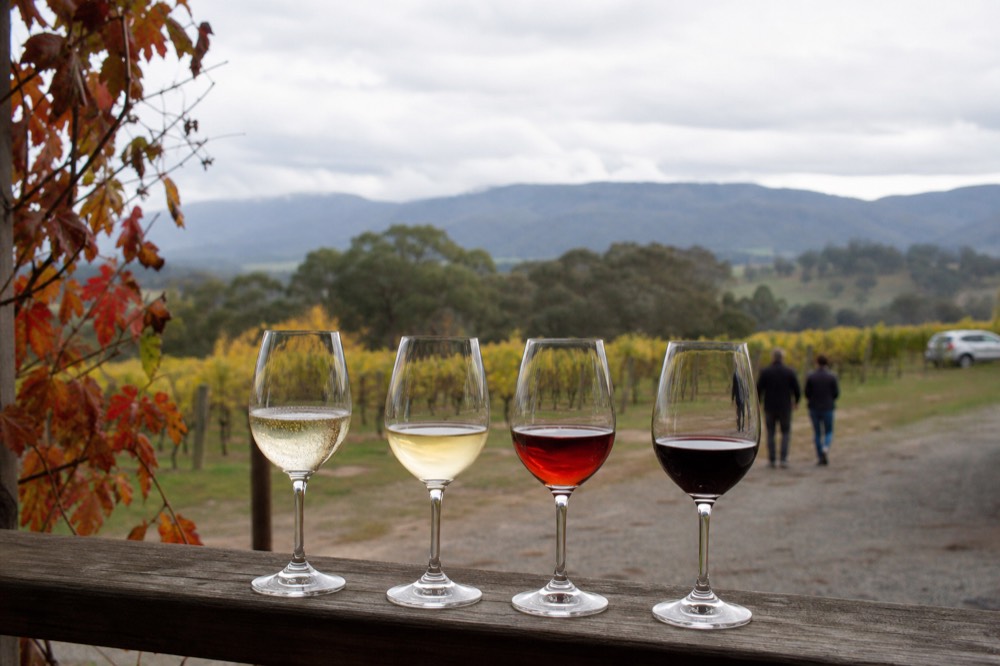
Ask ten cellar door staff and you will hear pinot noir ten times, usually followed by an argument that the chardonnay is better and gets less credit. Both positions are defensible. What is not in dispute is that this is cool-climate country, so the wines lean toward restraint rather than power: lighter-framed reds, whites with acid backbone, and sparkling wines built from fruit picked early.
| Style | Why it works here | What to expect in the glass | Where you meet it |
|---|---|---|---|
| Pinot noir | Long slow ripening, cold nights, sites that never bake | Lighter-bodied, structured, savoury rather than sweet-fruited | Almost every cellar door in the valley |
| Chardonnay | Same cool sites, high natural acidity retained | Taut and citrus-driven, worked with varying oak | Almost every cellar door |
| Traditional-method sparkling | Fruit picked early holds the acid a base wine needs | Fine bead, dry, built for food | Domaine Chandon and the sparkling tiers at larger estates |
| Cabernet and Bordeaux blends | Older plantings at the warmer western end, a long local history | Firmer, more tannic, built to age | A smaller set of established estates |
| Pinot gris and grigio | Cool-climate aromatics | Textural, often in small parcels | Small producers and mixed flights |
The mix is why a single day of tasting here does not get repetitive. Four cellar doors will show you four takes on the same two grapes, and if the itinerary includes a sparkling house you get a genuinely different wine style in the middle of it.
Why does the Yarra's climate produce these wines?
The valley is one of the coolest mainland wine climates in Australia. Vineyards sit on slopes and valley floors where nights turn cold and the growing season runs long, so grapes ripen slowly, build flavour and keep their natural acidity. That combination favours pinot noir, chardonnay and sparkling base wine over big warm-climate reds.
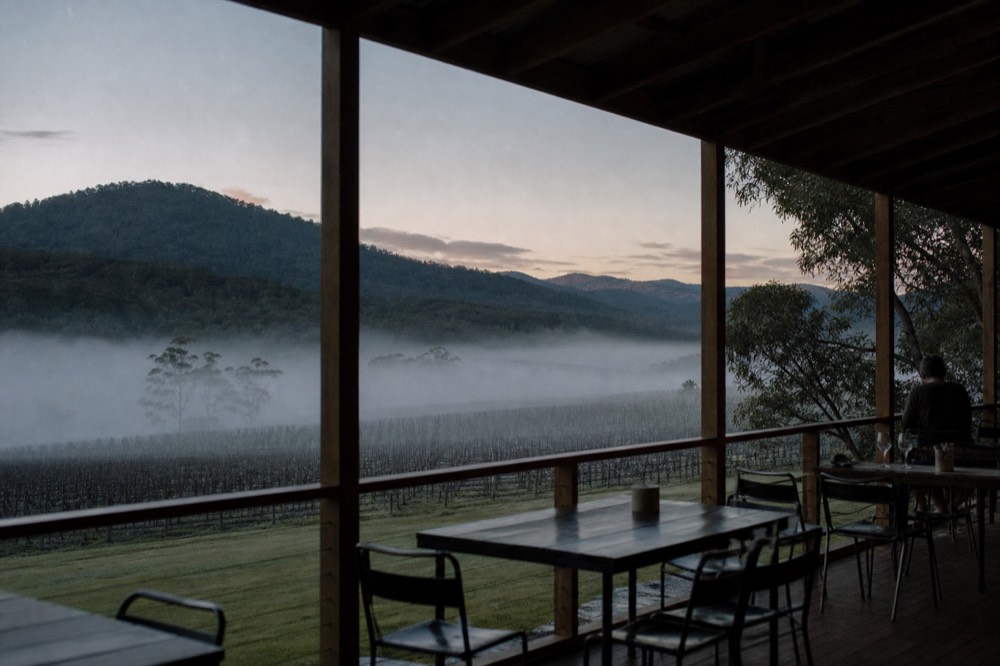
Heat is the enemy of the styles this region is known for. Warm nights push sugar up fast and burn acid off, which produces ripe, high-alcohol wine. The Yarra gets the opposite: a cool valley that traps cold air overnight, particularly in winter and shoulder seasons when fog and frost settle on the low ground. Grapes hang longer, and the extra hang time buys flavour development without the sugar spike.
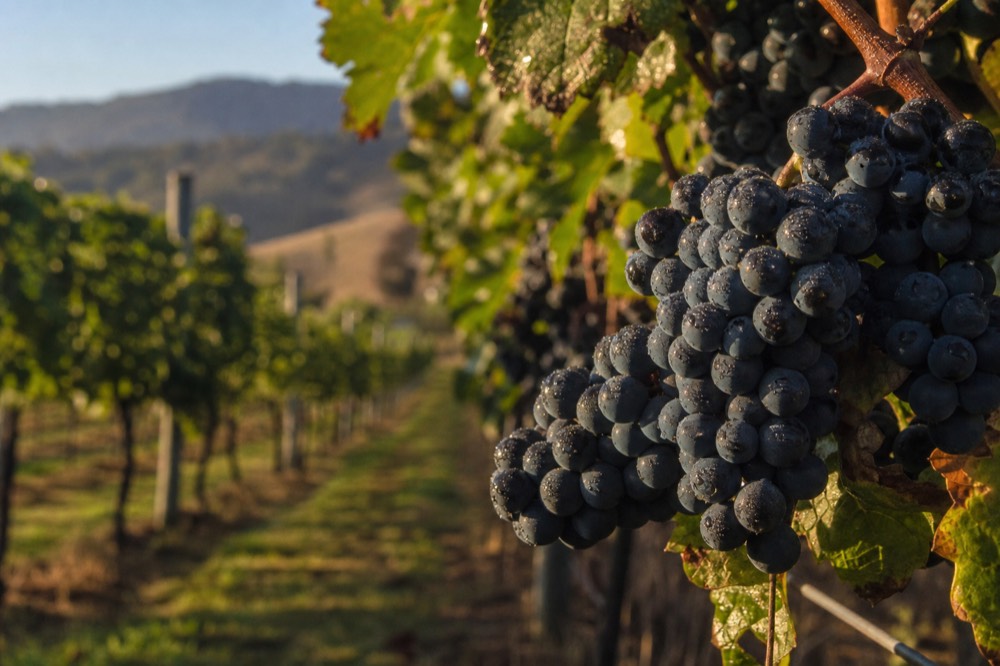
There is variation inside the region, and it matters more than most visitors realise. The lower, warmer western sites around Yering and Coldstream ripen cabernet reliably, which is why the region's cabernet history is concentrated there. Higher and cooler sites toward Healesville and Dixons Creek suit pinot and chardonnay better. Two wineries twenty minutes apart can be working with meaningfully different conditions, and tasting them back to back on the same afternoon is the most interesting thing you can do in the valley.
Is Yarra Valley pinot noir Australia's best?
It has the strongest current claim. Halliday's 2026 Pinot Noir of the Year went to Mount Mary's 2023 from the Yarra Valley at 98 points, and the region also sits among the country's leaders for sheer number of five-star wineries, behind the Barossa and close to Margaret River. Trophies rotate between regions, so treat it as the current scoreboard rather than a settled verdict.
The "best pinot in Australia" conversation is a live one, and it does not have a permanent answer. What it has is evidence, and right now most of the evidence points here. Taking the national varietal trophy is the clearest single data point available, and the Halliday Wine Companion is the closest thing the Australian industry has to a common reference.
There is a catch, and it is the same catch that runs through every winery list written about this region. Mount Mary receives by appointment. So does Yarra Yering, whose Dry Red Wine No. 1 2023 took Cabernet and Blends of the Year at 99 points. Neither estate appears on any day tour running from Melbourne. The wines that win the arguments are not the wines you will taste on a bus, and any page that implies otherwise has not checked.
What you will taste on a tour is the excellent middle of the region, which is a large and rewarding middle. Oakridge, Medhurst and Yeringberg were all noted among the valley's most consistent producers in 2026 coverage, and Medhurst turns up on exactly one verified itinerary: a ten-hour small-group day capped at twelve guests that also visits De Bortoli, Yering Station and Payten & Jones. If the wine itself is the reason you are coming rather than the day out, check the current price and dates for that wine-first day before you look at anything cheaper. Our roundup of the best Yarra Valley cellar doors covers which other names are genuinely reachable.
How good are the chardonnay and the sparkling?
Good enough that plenty of local drinkers rate the chardonnay above the pinot. The same cool sites that give pinot its structure give chardonnay high natural acidity, which is what makes the wines age. The sparkling story runs on the same fruit picked earlier, and Domaine Chandon built its Australian home here for exactly that reason.
Chardonnay is the region's quiet achiever. It gets less attention because pinot noir collects the headlines, but it is the more consistent performer across vintages and across price points. A Yarra chardonnay at cellar door prices is one of the better value propositions in Australian wine, and the styles range from lean and unoaked through to worked, textural wines that need a few years.
Sparkling is the third pillar and the one most visitors underrate. Traditional-method wine needs a base with high acid and low sugar, which is exactly what a cool valley delivers, and it is no accident that the region's most-visited single property is a sparkling house. Across the twelve day tours we verified out of Melbourne, Domaine Chandon appears on three to four itineraries, more than any other winery. A day that opens with sparkling at Chandon and then works through Soumah, Tokar and Yering Farm with a two-course lunch included is a fair way to cover the full range, capped at eleven guests and adults only, and you can see what that small-group day currently costs if the sparkling start appeals.
What did the 2026 vintage do to Yarra wine?
It made less of it and made it better. Victoria crushed 191,765 tonnes in 2026, down 31 percent on the ten-year average, inside the smallest national harvest since 2000 at 1.27 million tonnes. Pinot noir had a stop-start season, but the fruit came in with near-zero disease pressure and exceptional concentration and purity.
Small vintages are complicated news. Growers lose volume they cannot get back, and in a year this short some parcels simply will not be made. For a drinker, though, the 2026 wines coming out of this region over the next few years should be worth chasing: low yields concentrate flavour, and a clean dry run into harvest means fruit arrives at the winery healthy rather than compromised.
| 2026 vintage | Figure |
|---|---|
| National crush | 1.27 million tonnes, the smallest since 2000 |
| Victoria crush | 191,765 tonnes |
| Change against the ten-year average | Down 31 percent |
| Harvest window in the Yarra Valley | Roughly February to April |
| Fruit condition reported | Near-zero disease pressure, high concentration and purity |
| Variety most affected by stop-start conditions | Pinot noir |
The season also ran early, driven by a warm winter and spring plus heat events, which pulled picking dates forward. If you want to see the valley working, Wine Australia's national vintage report confirms the shape of the year, and the harvest window itself is the best time to visit for atmosphere. Our piece on the best time of year for a wine tour works through the trade-offs, including why autumn beats summer for almost everything except swimming weather.
Where do you actually taste these wines on a day out?
Any full-day tour from Melbourne will pour pinot and chardonnay at every stop. Sparkling means including Domaine Chandon. Cabernet means the older western estates, which appear less often. The trophy wines from Mount Mary and Yarra Yering are appointment only and reachable only by private arrangement with a driver who is not drinking.
Build the day around what you want to drink rather than around the number of stops. Four seated tastings with lunch in the middle will teach you more about this region than eight quick pours, and the eight-stop itineraries fill their count with a distillery, a brewery and a chocolate shop, which is a good day out but a different one.
Group size changes the tasting as much as the winery list does. A coach of twenty-four moves through a cellar door on a schedule. A van of six or twelve gets time, questions answered, and occasionally a pour from something not on the list. The smallest verified format runs seven and a half hours for six guests through boutique cellar doors with lunch included, and you can check dates and current pricing for the six-guest day if that matters to you.
One practical note that applies whichever you pick. Victoria sets a 0.05 blood alcohol limit for full licence holders and zero for learner and probationary drivers, and licensed venues are obliged to refuse service to anyone intoxicated. Four tastings makes driving a genuinely bad idea, which is the whole reason the Yarra Valley tour lineup exists in the form it does. If you are still deciding between regions rather than tours, the Yarra Valley and Mornington Peninsula comparison sets the two side by side, including the awkward fact that the coast has almost no tours at all.